 Chris Knight
This is one of the most thoughtful questions anyone can ask and it deserves an honest answer.
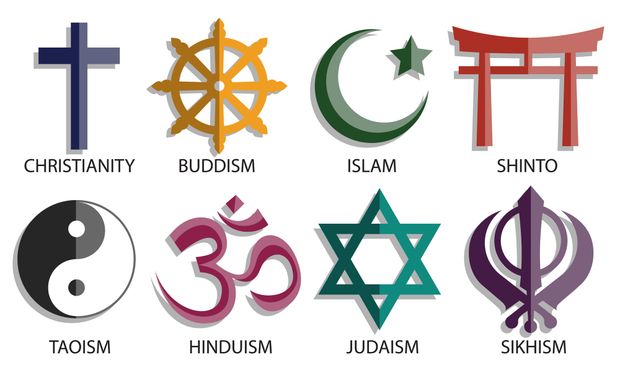
Yes, most religions make truth claims. Islam believes the Qur’an is God’s final revelation. Orthodox Judaism believes its understanding of God’s covenant is true. Hinduism and Buddhism offer different explanations for reality, suffering and salvation. Those beliefs may contain points of similarity, but they also contradict one another in important ways. Two opposite claims cannot both be true at the same time, no matter how sincerely someone believes them.
So the real question is not, “Which religion is the nicest?” or even, “Which religion has the most agreeable people?” Every religion has kind people, difficult people and at least one person who talks too long at meetings. The real question is, “Which one is true?”
Christianity does not claim to be the only way because Christians gathered in a room and voted to make it exclusive. Christianity makes that claim because Jesus did.
Jesus said, “I am the way, the truth, and the life. No one can come to the Father except through me” (John 14:6, NLT). Peter later declared, “There is salvation in no one else! God has given no other name under heaven by which we must be saved” (Acts 4:12, NLT).
Those are bold statements. If Jesus was merely a wise teacher, they sound arrogant. If He truly is the Son of God who rose from the dead, they are simply true.
Jesus spoke about truth while standing before Pontius Pilate. He said, “I was born and came into the world to testify to the truth. All who love the truth recognize that what I say is true.” Pilate responded with a question people are still asking today: “What is truth?” (John 18:37–38, NLT).
That is not merely a philosophical question for students sitting in a classroom with expensive textbooks. It is a question every person must answer. Is truth whatever we feel? Is it whatever our culture accepts? Is it whatever received the most likes this week? Jesus claimed that truth is ultimately found in Him.
Christianity stands or falls on a historical event: Jesus died, was buried and rose again. Paul wrote that if Christ has not been raised, Christian faith is useless (1 Corinthians 15:14). Christianity does not ask people to believe without evidence. It points to the life, death and resurrection of Jesus and invites people to examine the claims.
Christianity is exclusive in one sense, but wonderfully inclusive in another. Jesus is the only way, but the invitation is open to everyone. Rich or poor, religious or skeptical, respected or ashamed, everyone is invited to come to Him.
Christians should never communicate this truth with arrogance. We are not saying, “We are better than everyone else.” We are saying, “We were lost and Jesus rescued us.”
Pilate’s question still hangs in the air: “What is truth?” Jesus answered that question with His life, His words, His cross and His empty tomb. Each of us must decide whether He was mistaken, dishonest or exactly who He claimed to be. How we answer this question shapes not only our lives, but our eternity as well.